A Fatal Mission in "Friendly Airspace"
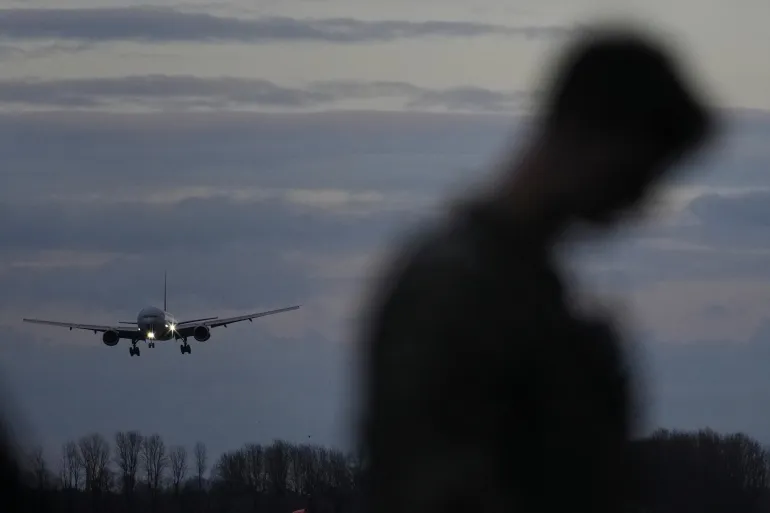
The United States Central Command (CENTCOM) has confirmed the loss of four service members following the crash of a KC-135 Stratotanker in western Iraq on Thursday. The aircraft, a critical aerial refuelling asset, went down during what appears to have been a routine operation within a campaign that has seen rising casualties on all sides.
While two of the six crew members remain missing, a massive search and rescue operation is currently underway. CENTCOM officials have maintained that the loss was not the result of "hostile or friendly fire," though the circumstances surrounding the incident remain under rigorous investigation.
Contradicting Narratives: Technical Failure vs. Hostile Action
The official military account suggests the crash occurred in "friendly airspace," hinting at a possible mid-air collision or a mechanical catastrophe during a refuelling maneuver. However, the Islamic Resistance in Iraq has moved swiftly to claim responsibility, asserting they brought the tanker down using "appropriate weaponry."
The Pentagon has yet to provide granular details to counter these claims, leaving a vacuum of information that is currently being filled by propaganda and conflicting reports from regional actors.
The Rising Cost of Conflict
This latest disaster brings the US military death toll to 11 since the commencement of operations against Iran on February 28. The campaign has been plagued by logistical and tactical setbacks, including:
The March 1st Incident: Three F-15E Strike Eagles were mistakenly downed by Kuwaiti air defenses in a significant friendly-fire blunder.
Mounting Injuries: At least 140 service members have been wounded, with several facing life-altering injuries.
Human Toll: Estimates suggest over 1,300 Iranians and 15 Israelis have perished as the violence spills across the Gulf states.
A Divisive War at Home
Domestically, the offensive is facing unprecedented scrutiny. Recent data from Quinnipiac University indicates that 53 percent of American voters oppose the military campaign—a rarity for a conflict in its opening weeks.
Even within the "America First" movement, the war has driven a wedge between President Trump and prominent conservative voices. While the administration argues that the strikes were necessary to prevent a nuclear escalation, critics have labeled the intervention a strategic error that deviates from the nation's core security interests.
"The circumstances of the incident are under investigation... but the loss was not due to hostile or friendly fire." — United States Central Command (CENTCOM)