Legal Alarm: Sheikh Abduljabbar Accuses Kano Govt of Plotting to Destroy Case Records
The Kurmawa Prison Controversy
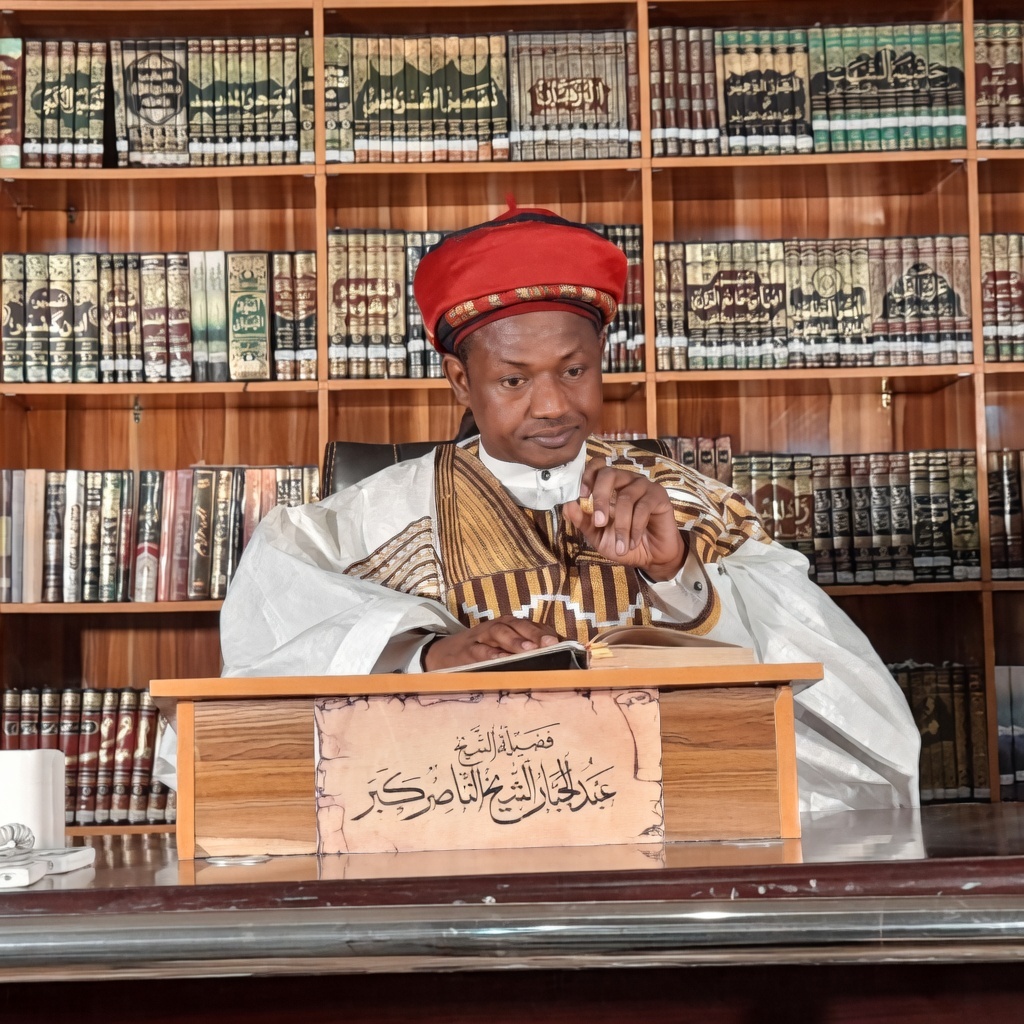
From his cell at the Kuje Correctional Centre in Abuja, embattled Kano cleric Sheikh Abduljabbar Nasir Kabara has raised an urgent alarm over the potential destruction of his legal records. In a six-page petition addressed to the President of the Court of Appeal and dated March 13, 2026, the cleric alleged that the Kano State Government’s plan to demolish the historic Kurmawa Prison is a veiled attempt to erase critical evidence in his ongoing appeal.
The state government recently announced plans to decommission the century-old facility and convert it into a museum. However, Abduljabbar contends that the timing is suspicious, claiming that vital legal papers remain in the prison cell he occupied before his transfer to Abuja.
Allegations of Record Manipulation
Beyond the physical threat to his documents, the cleric’s petition detailed serious concerns regarding the integrity of the judicial process. He accused officials in the Appeal and Translation Department of "gross manipulation" and "poor translation" of his Hausa-language arguments.
Key Points in the Petition:
Multiple Versions: Abduljabbar claimed to have discovered three different versions of the 3,939-page official record of proceedings, each containing different serial numbers.
Cell Interference: He alleged that while he was still at Kurmawa, the locks on his cell were broken in his absence, leading him to believe his records were being tampered with.
Jurisdictional Challenge: In a unique legal argument, the cleric insisted his case is an "Academic Exercise Case" involving complex Islamic jurisprudence, which he believes should be adjudicated by universities rather than regular courts.
Context: The Blasphemy Conviction
Sheikh Abduljabbar was sentenced to death by a Kano Upper Sharia Court in December 2022 after being found guilty of making blasphemous statements against the Holy Prophet Muhammad (PBUH) during his lectures. Since his conviction, his legal team has been fighting to overturn the verdict, citing procedural errors and biased translations.
The Kano State Government, through its Special Adviser on Information, Ibrahim Adam, has maintained that the prison demolition is part of a broader urban renewal and historical preservation project. However, for Abduljabbar’s supporters, the move represents a final attempt to suppress the "academic" defense he has consistently presented.
Analysis: A High-Stakes Appeal
The cleric’s petition places the President of the Court of Appeal in a delicate position. If the allegations of "three different versions" of the court records are proven true, it could severely undermine the credibility of the lower court's judgment. Furthermore, the destruction of a physical site containing active legal files—even if designated for demolition—could trigger a mistrial or a constitutional crisis regarding the right to a fair hearing. As the decommissioning of Kurmawa Prison approaches, the judiciary must now decide whether to grant an injunction to secure the facility until all active case files are safely cataloged and transferred.
“The demolition of Kurmawa Prison could serve as an opportunity for the Kano State Government to destroy important documents of my case.” — Sheikh Abduljabbar Nasir Kabara