Political Fallout: Kwankwasiyya Movement Blasts Kano Govt Over "Vindictive" Scrapping of Higher Education Ministry
"Punishment for Loyalty"
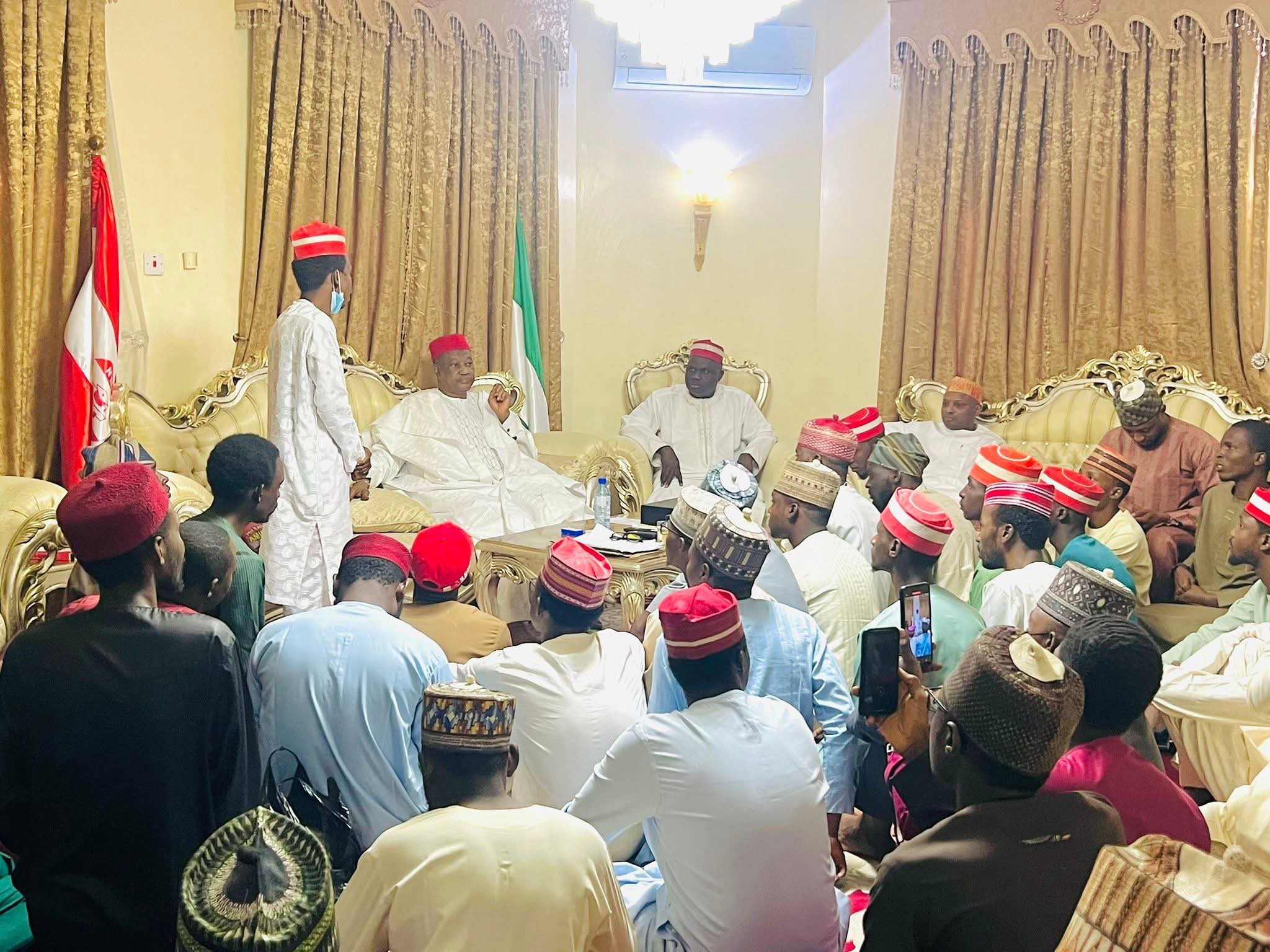
The Kwankwasiyya Movement has issued a scathing response to Governor Abba Kabir Yusuf’s decision to dissolve the Kano State Ministry of Higher Education. In a statement released on Monday, March 16, 2026, the movement’s spokesperson, Habibu Sale Mohammed, dismissed the government's claim of "administrative reform," labeling the move as a politically motivated attack on the Deputy Governor, Comrade Aminu Abdulsalam Gwarzo.
The movement argues that the restructuring is a direct consequence of the Deputy Governor’s refusal to defect to the All Progressives Congress (APC) alongside the Governor’s core camp in January. According to the spokesperson, the action is aimed at "punishing" Abdulsalam for his continued allegiance to the Kwankwasiyya ideology and its supporters.
Allegations of Gradual Sabotage
The Kwankwasiyya Movement claims that the Ministry had been systematically undermined long before its formal dissolution. Mohammed alleged that for over a year, key agencies and sub-units under the Ministry were instructed to bypass the Deputy Governor and report to special committees or advisers.
Key Criticisms from the Movement:
Misplaced Priorities: The movement noted the irony of dismantling a strategic ministry while several other commissioner positions in the state cabinet remain vacant.
Structural Damage: They argued that higher education—including universities, polytechnics, and scholarship boards—requires specialized, coordinated leadership that a merged "mega-ministry" may struggle to provide.
Political Maneuvering: "If there were concerns about who should supervise the ministry, the governor could simply have reassigned that responsibility," Mohammed stated, suggesting that scrapping the entire ministry was an extreme and "vindictive" measure.
A Crisis of Governance
The Kwankwasiyya leadership warned that the state’s education sector, particularly the controversial foreign scholarship schemes, could suffer from a lack of clear policy and long-term planning due to these "temporary political manoeuvres." They urged the administration to focus on stability and the public interest rather than settling internal political scores.
Analysis: The Breaking of the "Gida Gida" Alliance
This public rebuke marks a significant milestone in the collapse of the relationship between Governor Abba Yusuf and the political structure that brought him to power. For the Kwankwasiyya Movement to openly criticize a "red cap" governor suggests that the ideological split between the "defectors" (who moved to the APC) and the "loyalists" (who remained in the NNPP) is now irreconcilable. As the Deputy Governor faces potential impeachment, the Kwankwasiyya’s stance confirms that the battle for the "soul of Kano" has moved from the ballot box to the machinery of state governance.
"A government that leaves critical portfolios vacant while dismantling an important ministry cannot convincingly argue that it is prioritising development." — Habibu Sale Mohammed, Kwankwasiyya Spokesperson