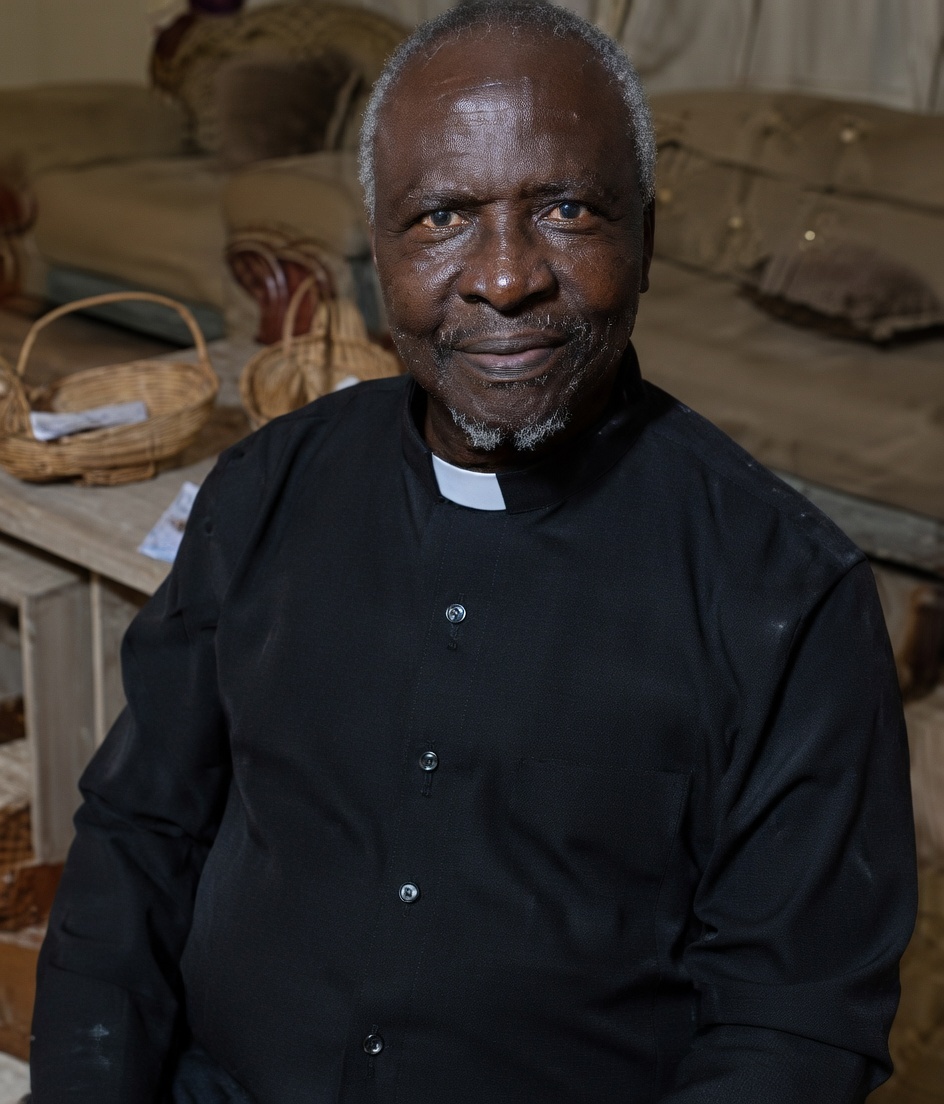
Allegations of Bias: Rev. Dachomo Accuses NSA of Diverting U.S. Troops Away from Plateau State
A Clergyman’s Petition to Washington
In a provocative video message released on Friday, Rev. Ezekiel Dachomo, the Barkin Ladi Regional Chairman of the Church of Christ in Nations (COCIN), has accused the National Security Adviser (NSA), Nuhu Ribadu, of deliberately sabotaging military aid meant for Christian communities in Plateau State. Dachomo claims that after his personal appeal to U.S. President Donald Trump to intervene in the "Christian genocide" in the Middle Belt, the resulting military assistance was "hijacked" and redirected to Muslim-dominated areas in the North.
Rev. Dachomo’s original appeal, made late last year, urged the Trump administration to deploy boots on the ground to halt the persistent massacres in Plateau State. However, following the high-profile U.S. precision airstrikes on Christmas Day 2025, the clergyman argues that the operational focus shifted away from the Middle Belt toward Sokoto State and the Lake Chad region.
The "Diverted" Deployment
The crux of Dachomo’s allegation is that the NSA’s office influenced the "blueprint" of the U.S. intervention to ensure that American soldiers remained in the far North. He asserts that while Christians "called for the help," it is the Muslim populations in the North-West who are now benefiting from the protective umbrella of U.S. intelligence and special forces.
Rev. Dachomo’s Key Claims:
Strategic Redirection: U.S. troops were allegedly diverted to Sokoto and other northern enclaves to protect Muslim interests while ignoring Christian-dominated "killing fields."
Systemic Exclusion: The clergyman alleges a "roadmap" exists to ensure no international military presence reaches Plateau or Benue, leaving these areas vulnerable to extremist attacks.
Self-Defence Mandate: Dachomo stated that the perceived betrayal by state institutions has left Christians with no choice but to "stand up and defend ourselves."
Context: The Christmas Day Strikes and U.S. Presence
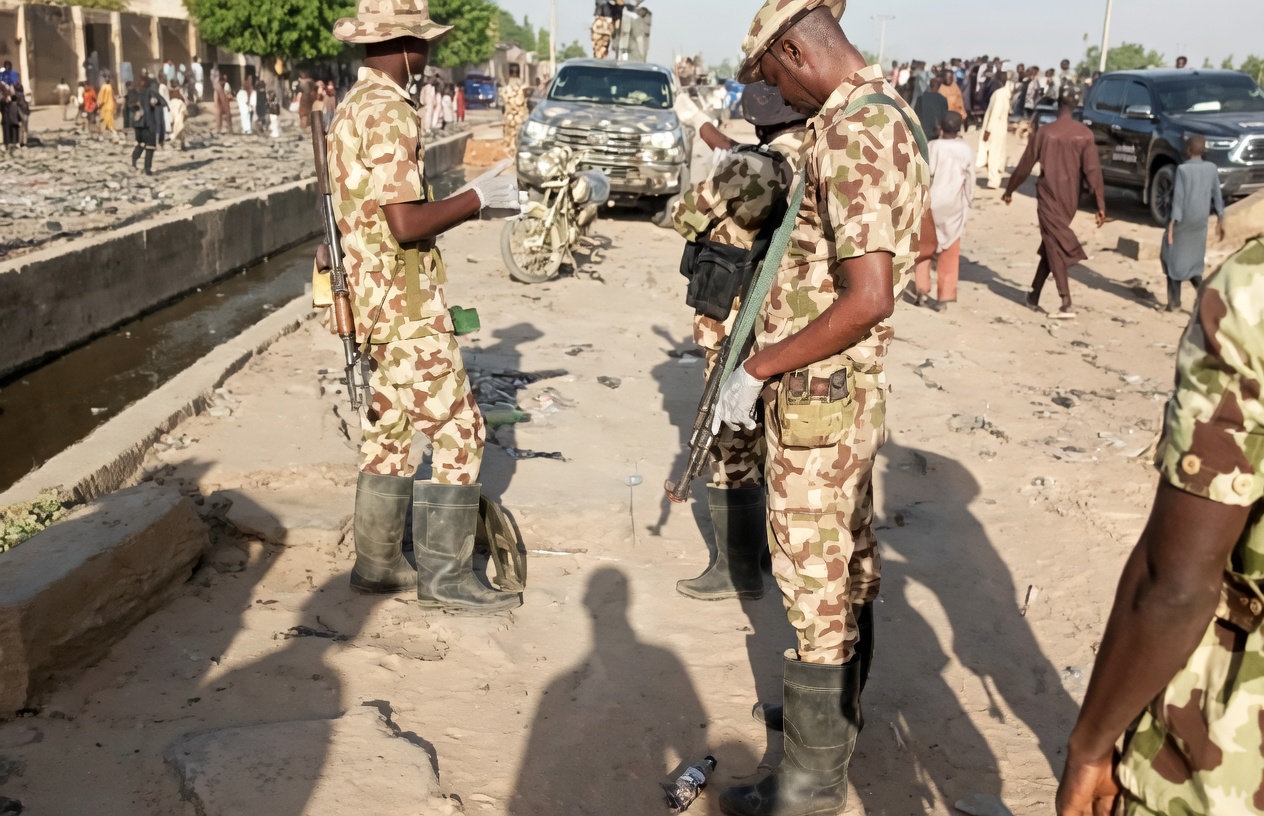
The U.S. military has indeed intensified its operations in Nigeria following President Trump’s designation of the country as a "Country of Particular Concern." On December 25, 2025, the U.S. launched Tomahawk missile strikes against ISWAP and Lakurawa enclaves in Sokoto State. Furthermore, as of February 2026, a detachment of approximately 200 U.S. military personnel—mostly analysts and trainers—arrived in Nigeria, with their initial footprint focused on Maiduguri and the North-Western borderlands.
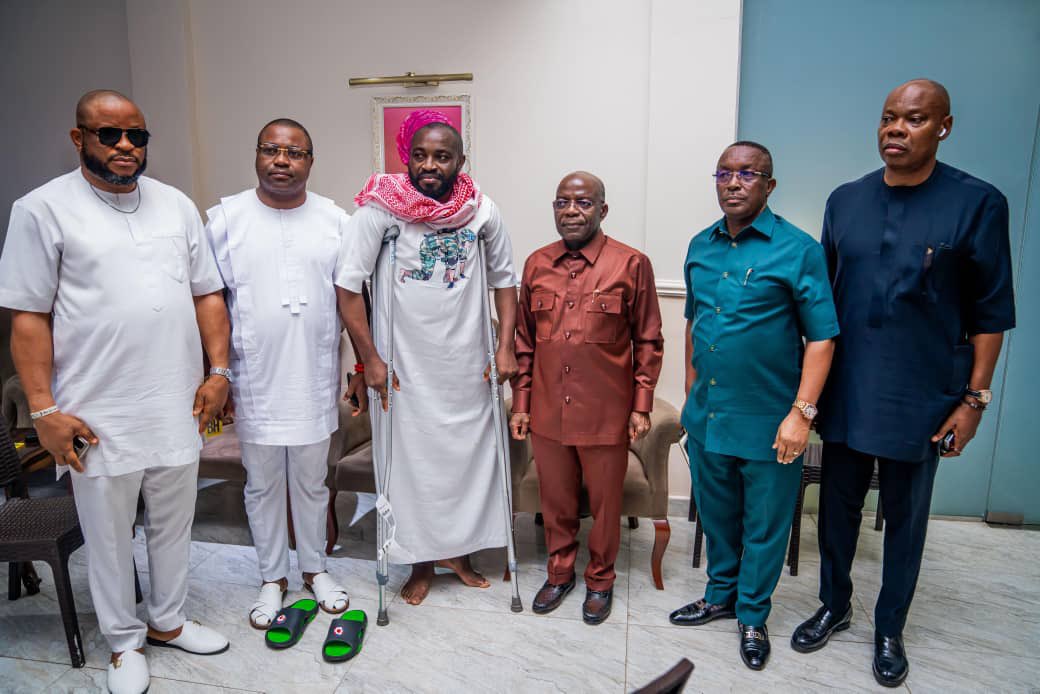
While U.S. Representative Riley Moore and other Washington officials have met with Plateau Governor Caleb Mutfwang to discuss the persecution of Christians, the actual deployment of U.S.-led technical support has largely followed the trail of established jihadist enclaves in the North-West and North-East.
Analysis: A Deepening Religious Divide in Security Narratives
Rev. Dachomo’s accusations reflect a growing trust deficit between the Middle Belt leadership and the federal security architecture. By framing the NSA’s actions as a "plot," the clergyman is tapping into long-standing grievances regarding the neutrality of Nigeria’s security agencies. For the Federal Government, these allegations pose a significant diplomatic challenge: if the U.S. intervention is perceived as religiously biased—either by its intent or its redirection—it risks inflaming the very sectarian tensions it was ostensibly meant to quell.
"When I invited Trump to Nigeria... their blueprint was that none of the American soldiers should come to Plateau State. Now the Muslims are enjoying the coming of Trump... while Christians are being killed like chickens." — Rev. Ezekiel Dachomo, COCIN Regional Chairman